Picture this: You’re in a yoga class, perhaps feeling a little…grounded. Maybe even a bit too grounded. Your toes feel perpetually glued to the mat, and the idea of “floating” seems as likely as your cat taking up ballet. Then, the instructor mentions “rising lotus yoga,” and a spark of curiosity ignites. What is this mystical-sounding pose, and is it something us mere mortals can actually achieve? Spoiler alert: it absolutely is, and the journey to it is as rewarding as the destination.
This isn’t just about contorting yourself into a pretzel; it’s about a profound unfolding, much like the lotus flower itself. We’re talking about cultivating not just physical strength and flexibility, but a powerful inner resilience and a serene connection to your own being. So, let’s dive in and demystify this beautiful aspect of yoga.
What Exactly is Rising Lotus Yoga?
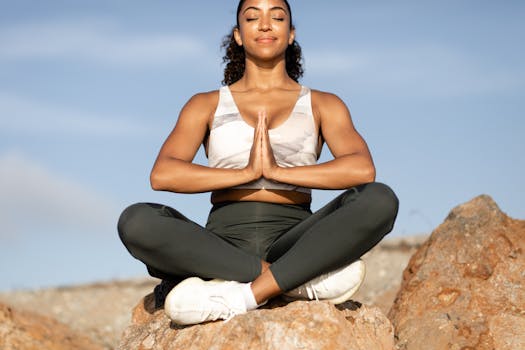
At its core, rising lotus yoga refers to the practice and exploration of poses that mimic the unfolding of a lotus flower. This typically involves variations of seated poses, most famously Padmasana (Lotus Pose), but often extends to arm balances and inversions that symbolize upward movement and blossoming. Think of it as yoga that encourages you to rise above your perceived limitations, both on and off the mat. It’s a physical representation of spiritual growth, where the challenging journey upward leads to a state of beautiful equilibrium.
Unpacking the “Lotus” Metaphor: More Than Just a Pose
The lotus flower is an ancient and powerful symbol in many spiritual traditions. It grows in murky, often stagnant water, yet it consistently rises above the surface to unfurl pristine, beautiful petals. This is precisely the essence of rising lotus yoga. It’s about:
Purity Amidst Mud: Finding clarity and peace even when life feels chaotic or “muddy.”
Growth and Transformation: The continuous process of shedding what no longer serves you and emerging stronger.
Spiritual Awakening: Reaching a higher state of consciousness and self-awareness.
Resilience: The ability to withstand challenges and still blossom.
This metaphorical richness makes rising lotus yoga a potent practice for those seeking more than just physical exercise; it’s a path to holistic well-being.
Building the Foundation: Paving the Way for Your Lotus
Let’s be honest, for many of us, the idea of a full Lotus Pose (where both feet are balanced on opposite thighs) can seem as attainable as winning the lottery while simultaneously discovering a cure for the common cold. But don’t despair! The “rising” aspect is key. It means we start with what we can do and gradually build towards greater openness and strength.
Before you even think about lifting your feet sky-high, focus on these foundational elements:
Hip Opening: Tight hips are the arch-nemesis of any lotus-like pose. Regular practice of poses like Pigeon Pose, Cow Face Pose, and Bound Angle Pose (Baddha Konasana) is crucial. Remember, patience is your best friend here; forcing it will only lead to injury.
Hamstring Flexibility: While not as direct a blocker as hips, tight hamstrings can affect your ability to find stability in seated positions. Forward folds and gentle hamstring stretches will serve you well.
Core Strength: Many rising poses, especially arm balances, require a strong core to support your body and maintain balance. Planks, boat pose, and other core-engaging exercises are your allies.
Ankle Mobility: Healthy, mobile ankles are essential for comfortably and safely entering poses like Padmasana. Gentle ankle circles and stretches can make a world of difference.
In my experience, dedicating time to these foundational areas, even on days when you’re not aiming for any “lotus-y” poses, pays dividends in the long run. It’s like building a solid house; you wouldn’t skimp on the foundation, would you?
Exploring the “Rising” Elements: Beyond the Seated Pose
The concept of “rising” in rising lotus yoga opens up a delightful array of possibilities that extend beyond the classic seated Lotus Pose. This can include:
Arm Balances: Poses like Crow Pose (Bakasana), Crane Pose (Eka Pada Galavasana), and Firefly Pose (Tittibhasana) require significant core strength, balance, and hip opening. They embody the idea of lifting yourself up, quite literally.
Inversions: Headstands, handstands, and forearm stands, while not directly “lotus-shaped,” symbolize rising above the mundane and gaining a new perspective. They cultivate courage and a sense of invincibility.
Backbends: While perhaps less direct, deeper backbends like Wheel Pose (Urdhva Dhanurasana) can also be seen as a form of “rising,” opening the heart and chest and creating a sense of expansion and upliftment.
It’s fascinating how various poses can tap into this core theme of ascension and blossoming, offering different pathways to explore the essence of the lotus.
The Mindful Journey: Cultivating Patience and Self-Compassion
One of the most valuable lessons rising lotus yoga teaches us is the importance of patience and self-compassion. The journey to mastering these poses is rarely linear. There will be days when your hips feel impossibly tight, and your arm balances feel like a distant dream.
Instead of getting discouraged, reframe it. Every practice session is an opportunity to learn, to listen to your body, and to appreciate the progress you have made. Focus on the sensation of breath, the engagement of your muscles, and the stillness you can find, even in challenging poses.
Remember, yoga isn’t about achieving a perfect pose; it’s about the practice* of getting there. It’s about showing up for yourself, day after day, with kindness and dedication. This mindful approach will not only help you progress physically but will also foster a more resilient and peaceful state of mind.
Final Thoughts: Embrace Your Unfolding
Rising lotus yoga is more than just a set of challenging poses; it’s an invitation to embrace your inherent potential for growth, strength, and serenity. It’s about understanding that even from the murkiest depths, beauty and resilience can emerge.
So, on your mat today, don’t just aim for a pose. Aim for an experience. Breathe deeply, move mindfully, and allow yourself to unfurl at your own pace. The lotus within you is waiting to bloom, and the journey itself is the most beautiful part.